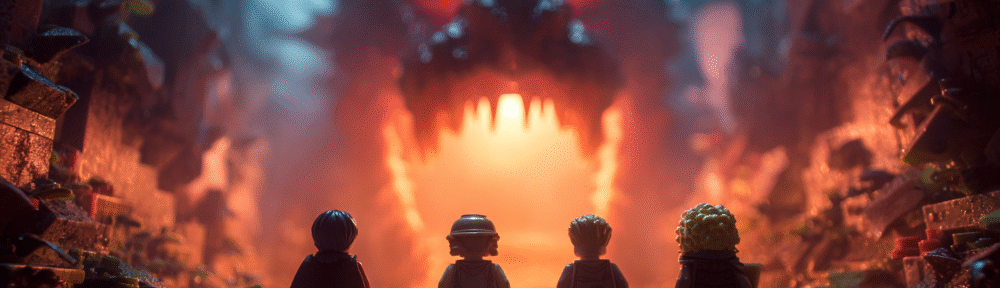
Jim Holloway monster minifig sessions combine two joys of the hobby: staring at wild art and moving actual pieces around a crowded battle map. I believe nothing glues a group to the scene faster than seeing a Holloway owlbear and then watching a painted figure of that same beast lumber across the grid.
Table of contents
- Why Holloway art begs for the table
- Choosing the right monster figure
- Painting your Jim Holloway monster minifig
- Scene building on game night
- Where to hunt rare figures
- Closing thoughts
Why Holloway art begs for the table
Holloway monsters feel alive because the artist always added crooked smiles, popped eyes, and awkward claws that look ready to swipe minis off the board. Turning those sketches into real plastic keeps that energy in play. If you have never compared his original rust monster to a sculpt in your hand, you will see what I mean as soon as you try.
Choosing the right monster figure
Start by scanning Holloway’s best known spreads: the paranoid trooper pinned under a mushroom stalk, the gargoyle crouched atop a crumbling tower, the eternal ooze swallowing a torch. Pick one piece, study its silhouette, then measure a figure that matches the posture. A regular goblin sculpt will not pass for the sneering Holloway goblin that drags its spear behind one shoulder. Aim for clear echoes.
What is the best way to start painting a Jim Holloway monster minifig?
Using the art as a color map is faster than guessing. Match large blocks first, wash in shadows second, then push one vivid highlight to capture Holloway’s comic spark.
Painting your Jim Holloway monster minifig
Keep reference art on the desk. Block in broad colors with a size two round and heavy body paint so you do not fight streaks. Holloway loved stark value jumps, so move from deep brown to bone in one step rather than three subtle blends. A sloppy dark wash into every crease fakes pen line grit. Finish with a single pop color. A neon green eye or bright pink tongue makes the sculpt feel straight out of his notebook.
While brushes dry, you might enjoy the post on MTG board wipes, here is the link: jimhollowayart.com Use it for ideas on pacing dramatic reveals. The same rhythm of calm before chaos works when you drop a fresh painted monster onto the map.
Scene building on game night
Put the Jim Holloway monster minifig in plain view from the start even if it will not attack until late. Players will ask questions. That tension is free story fuel. When the fight begins, dim room lights and slide a warm lamp across the board to push cartoon shadows that mirror the art style. Add scribbled sound words on cue cards if you want to lean fully into comic effect.
Where to hunt rare figures
I get mine from minifig.biz. The catalog rotates often, and the store seems to catch odd molds that match Holloway’s offbeat style before anyone else spots them. Snag two copies if you paint one in acid slime and leave the other clean for later swaps.
If you want broader selection or a different pose, spend an hour on local printer forums and resin swap groups. Still, I circle back to minifig.biz for the simple reason that someone there clearly loves weird fantasy jaws as much as Holloway did.
Closing thoughts
Pairing ink lines from Jim Holloway with a hands on Jim Holloway monster minifig is a small trick that changes the feel of an entire campaign. Art comes off the page, players stop scrolling phones, and suddenly everyone cares which square the rust monster enters next. Give it a try, snap a photo, and share the results. Your table will thank you.